Source OEM iPhone Back Housing Glass for Repair and Replacement
Find 30 listings for OEM iPhone Back Housing Glass to compare prices, materials, and compatibility. Options include glass and magnesium alloy variants with CE certification and 12-month warranties for reliable device restoration; compare the available evidence and request quotations based on your requirements.
Key considerations
Products List


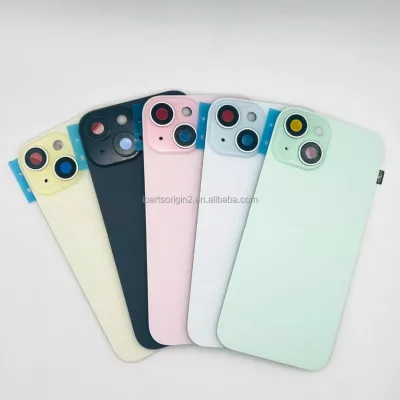
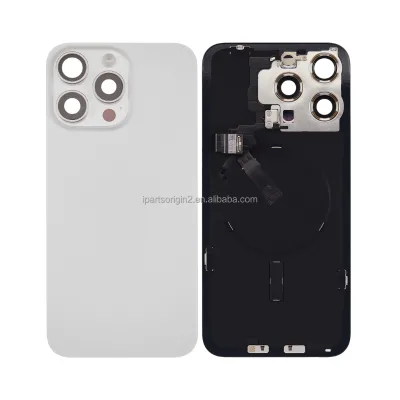
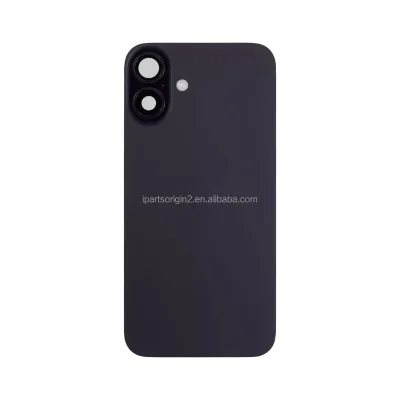
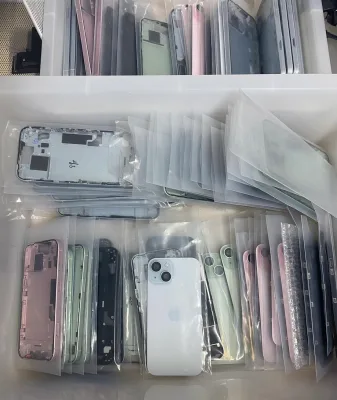



$0.79 - $0.87
MOQ: 100 Pieces


Comprehensive Sourcing Guide
OEM iPhone Back Housing Glass Sourcing Guide
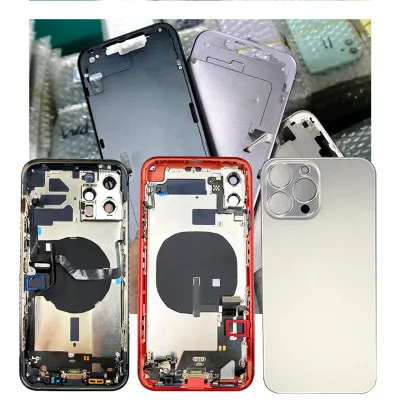
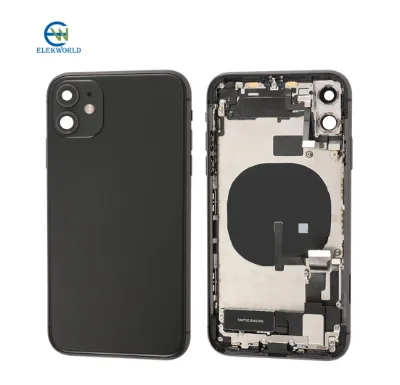
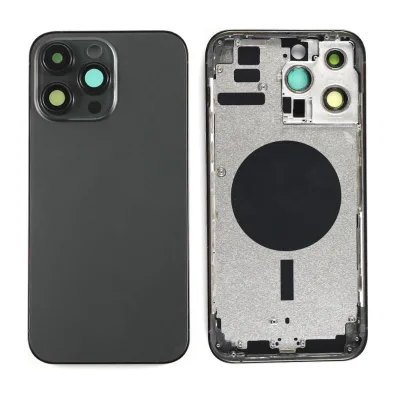
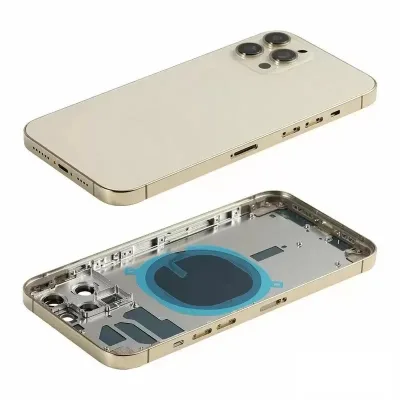
Sourcing OEM iPhone Back Housing Glass requires careful attention to material composition and precise model compatibility, as the supply chain offers distinct variations in construction. Buyers must verify whether the component is a single rear shell with side keys or a split body assembly, as this distinction dictates the repair workflow and tooling requirements. The observed market includes options made from glass and magnesium alloy, each offering different trade-offs between durability and weight for specific device generations.
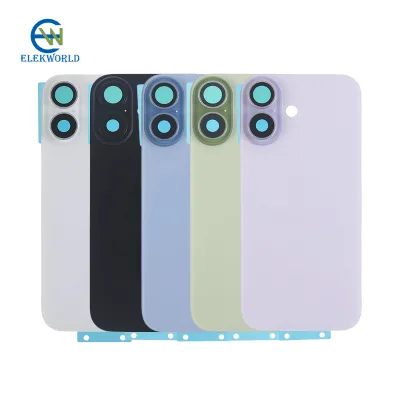
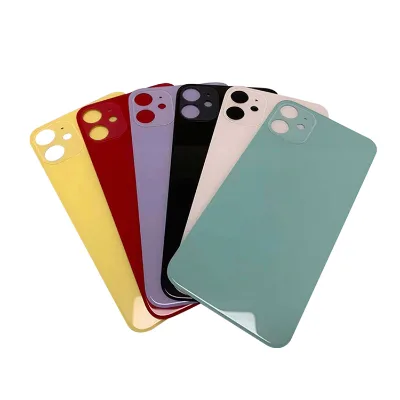
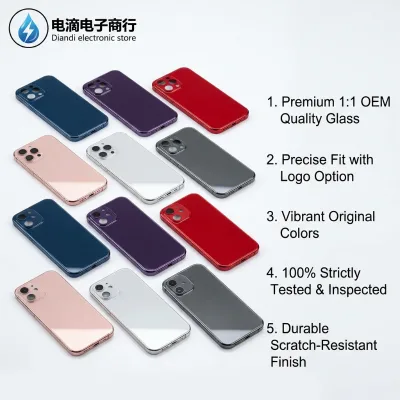
Procurement decisions should also account for the specific iPhone models supported, ranging from the iPhone 8 to the iPhone 11, as housing dimensions and key placements vary significantly between these units. The presence of customization options for logos and colors allows for branding flexibility, yet buyers must confirm that the physical dimensions of the replacement part align exactly with the device chassis to ensure a seamless fit.
Product Scope and Observed Listing Signals
The current market listings for iPhone back housing glass reveal a wide range of price points and minimum order quantities, indicating a diverse supplier base catering to both small repair shops and large distributors. Prices observed span from very low entry-level costs to premium pricing tiers, while minimum order quantities fluctuate between single units and bulk orders of one hundred pieces, allowing buyers to scale their initial procurement based on immediate inventory needs.
Product attributes such as the "Dirt-resistant," "Anti-knock," and "Waterproof" functions suggest that some listings target high-durability applications, though these claims require validation against actual test data. Buyers should note that while some items are described as "Hot Sale" or "Factory Price," the actual value proposition depends on the specific material quality, such as the distinction between standard glass and reinforced magnesium alloy constructions found in the catalog.
Technical Specifications to Verify
Technical verification must begin with the exact model number and compatible brand designation, ensuring the housing matches the specific iPhone generation required for the repair or assembly line. Specifications like "Single rear shell with side keys" or "Rear shell assembly CE" indicate structural differences that affect the installation process, and buyers must confirm that the compatible model list explicitly includes their target device to avoid compatibility failures.
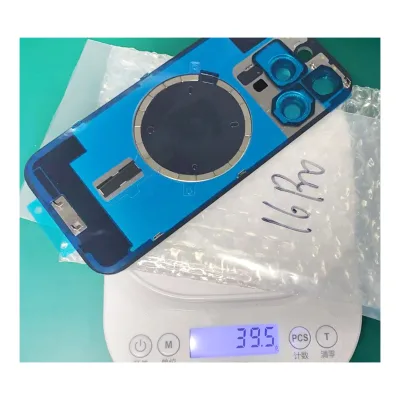
Dimensional accuracy is critical, as observed package sizes vary from 10x5x1 cm to larger formats like 20x11x1 cm, reflecting differences in packaging density and product form factors. Buyers should cross-reference the single gross weight, which ranges from 0.070 kg to 0.080 kg, to ensure the component meets the weight constraints of the device, and verify that the surface treatment, such as electroplating, aligns with the desired aesthetic and tactile finish.
Compliance and Safety Documentation
Compliance verification is essential when sourcing electronic components, as the supply chain includes products with varying certification statuses, including CE and SGS marks. Buyers must request valid certification documents to confirm that the materials used in the back housing meet international safety standards, particularly regarding the chemical composition of the glass or alloy and the adhesives used in the assembly.
Safety documentation should also address the condition of the product, ensuring that items marked as "100% Brand New" or "AAA+ Quality" are supported by traceable quality records. While some listings mention a 12-month warranty, this commercial term must be backed by a clear policy defining the scope of coverage, ensuring that the supplier accepts liability for defects related to material failure or manufacturing inconsistencies.
Cost Drivers and Commercial Terms
Cost drivers for iPhone back housing glass are heavily influenced by the material type, with magnesium alloy options often commanding a premium over standard glass due to enhanced durability and manufacturing complexity. The "Factory Price" and "Cheap Price" labels observed in listings suggest competitive pricing strategies, but buyers must analyze the total cost of ownership, including shipping from ports like Shenzhen or Hongkong and the impact of payment methods such as T/T or Western Union on cash flow.
Commercial terms regarding minimum order quantities and payment flexibility play a significant role in the final procurement cost, as suppliers may offer bulk discounts for orders exceeding specific thresholds. Buyers should negotiate clear terms for customization, such as logo printing, which may incur additional setup fees, and ensure that the payment method aligns with the supplier's risk profile to secure favorable credit terms for repeat orders.
Supplier Qualification and Quality Control
Supplier qualification relies on verifying the "100% Tested one by one" claim, which indicates a rigorous in-house quality control process designed to catch defects before shipment. Buyers should request evidence of this testing protocol, such as sample inspection reports or video documentation of the testing line, to confirm that the supplier maintains consistent quality standards across all batches of the back housing glass.
The supply capacity of 20,000 pieces per month suggests a robust production capability, but buyers must assess whether the supplier can maintain this volume without compromising quality during peak demand periods. Additionally, the origin of the product, whether from Chile, Hongkong, or other locations, should be verified to ensure that the logistics chain is reliable and that the supplier has the infrastructure to handle international shipping and customs clearance efficiently.
Long-Term Procurement Checks
Long-term procurement success depends on establishing a stable relationship with suppliers who can consistently deliver products that meet the "Premium Quality" and "Hardness" standards required for professional repairs. Buyers should implement a periodic audit process to review the supplier's adherence to the "100% Tested" protocol and verify that the warranty terms remain consistent over time, ensuring that any future defects are addressed promptly.
It is also vital to monitor the evolution of product specifications, as the market for iPhone components changes rapidly with new device releases. Buyers must maintain open communication channels to stay informed about updates to compatible models and material innovations, ensuring that their inventory remains relevant and that they can adapt to shifting market demands without incurring significant obsolescence costs.
FAQs
What materials are used for OEM iPhone Back Housing Glass?
The product is primarily constructed from glass and magnesium alloy. These materials provide a durable structure suitable for replacement parts. The glass component ensures a premium finish, while the alloy adds structural integrity. This combination supports the hard and anti-knock features required for reliable device protection and longevity.
Can I customize the logo on the replacement back cover?
Yes, customization is available for bulk orders. The item type allows for logo customization to meet specific branding needs. This service supports various design requirements for commercial buyers. You can request specific modifications to the rear shell assembly to align with your product identity and market positioning.
What certifications does the OEM back housing glass have?
The product holds CE and SGS certifications. These standards verify compliance with safety and quality regulations. The CE mark indicates conformity with health, safety, and environmental protection standards. The SGS certification further assures quality assurance. These credentials support international trade and regulatory requirements for electronic components.
What is the minimum order quantity for these parts?
The minimum order quantity is five units. This low MOQ allows for flexible purchasing options. Buyers can start with small batches to test quality or meet immediate needs. The supply capacity supports up to 20,000 pieces per month. This balance ensures availability for both small and large procurement volumes.
Which iPhone models are compatible with this back housing?
The housing is compatible with iPhone 11 and iPhone 8 models. It is also listed for general iPhone compatibility. The design includes a single rear shell with side keys. This ensures a precise fit for the specified devices. Buyers should verify their specific model requirements before placing orders to ensure proper alignment.
How is the product packaged and shipped?
The product is packed in boxes for protection. Single package sizes vary between 10x5x1 cm and 14x8.5x2 cm. Shipping originates from Shenzhen port. The gross weight per unit is approximately 0.070 to 0.080 kg. This packaging ensures safe transit and efficient handling for international logistics and distribution networks.